
The gaming keyboard market has never been more competitive.
Every month, new gaming keyboard products promise faster switches, lower latency, and more features. Yet when we look at discussions across YouTube, TikTok, Instagram, Reddit, and Facebook, one thing becomes clear:
Most gamers are no longer searching for the keyboard with the most features.
They're searching for the keyboard that feels right. As products like the AULA gaming keyboard series including AULA F75, F75 HE, AG63, and AG Series continue to gain attention worldwide, several key trends have emerged from community feedback.
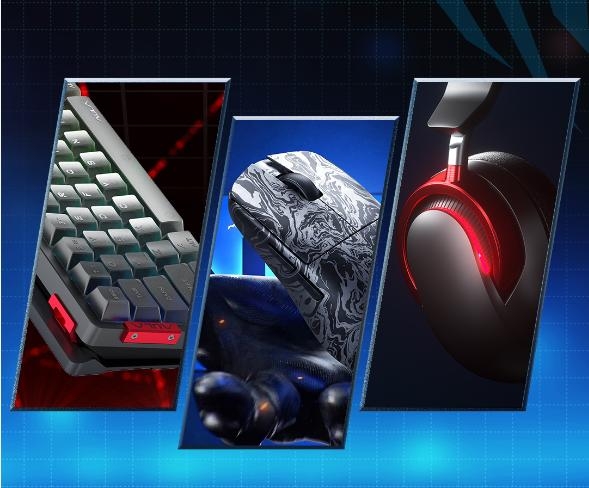
A few years ago, gaming keyboard conversations were dominated by specifications.
Today, players still care about:
• Polling Rate
• Latency
• Response Speed
• Magnetic Switch Technology
But increasingly, gamers are asking a different question:
"How does it actually feel to use every day?"
This explains why mechanical gaming keyboard products that combine competitive performance with enjoyable typing characteristics continue to receive strong community engagement. The modern gaming keyboard must deliver both speed and comfort.
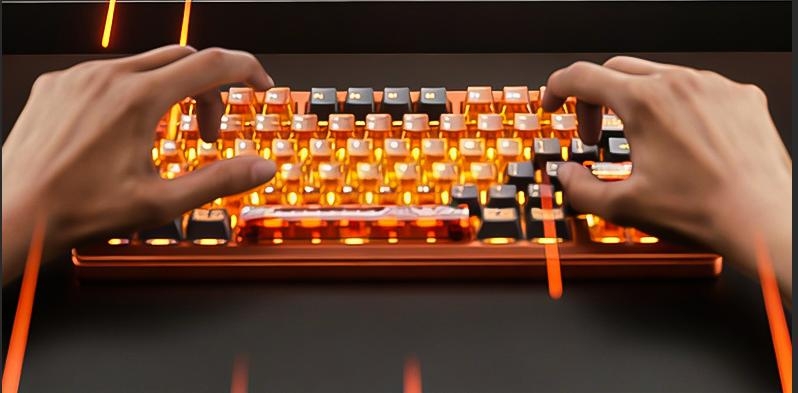
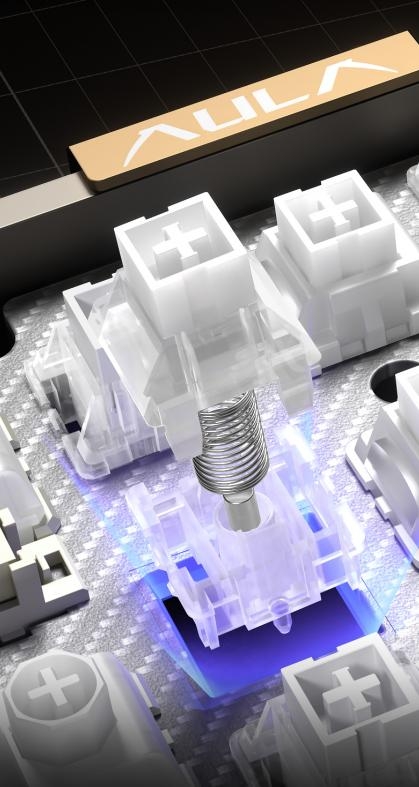
Hall Effect and magnetic switch keyboard technology has become one of the hottest topics in the peripheral industry.
Players are attracted by:
• Adjustable actuation points
• Rapid Trigger functionality
• Consistent key response
• Long-term durability
However, users are also discovering that performance alone isn't enough.
The most successful magnetic switch gaming keyboard models are those that maintain excellent acoustics and typing feel while introducing next-generation switch technology. This is one reason why AULA magnetic versions of familiar layouts have generated so much interest within the community.
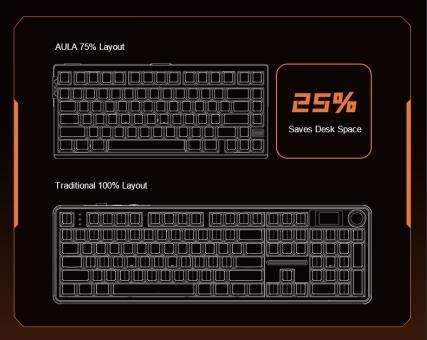
One of the most consistent trends across social platforms is the popularity of the 75% gaming keyboard layout.
Gamers appreciate:
• More mouse movement space
• Dedicated function keys
• Compact footprint
• Better desk aesthetics
The layout strikes a balance between gaming performance and daily productivity, making it ideal for modern setups. For many users, the 75% form factor has become the sweet spot between functionality and minimalism in the mechanical keyboard market.
A surprising shift in the keyboard community is the growing focus on sound.
Terms like:
• Thock
• Creamy
• Deep sound profile
• Soft bottom-out
appear frequently across gaming keyboard reviews and social media discussions.
Users increasingly evaluate keyboards not only by how they perform, but also by how they sound.
This has driven demand for:
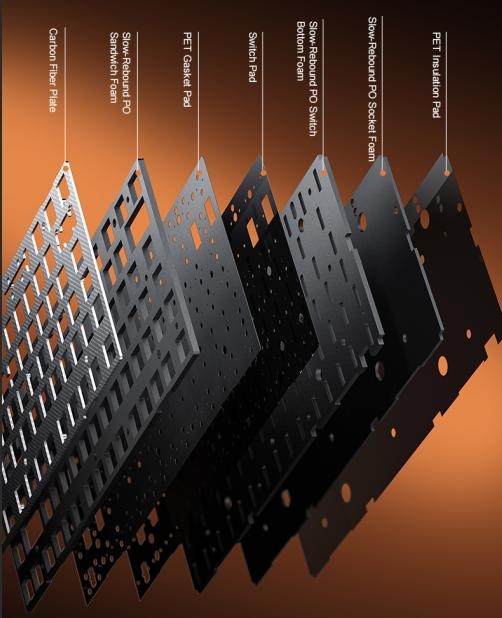
Gasket mount structures
Multi-layer sound dampening
Premium switch tuning
Improved stabilizer quality
The keyboard hobby continues to grow.
Players want products that can evolve with their preferences.
Features such as:
• Hot-swappable switches
• Custom keycaps
• Multi-device connectivity
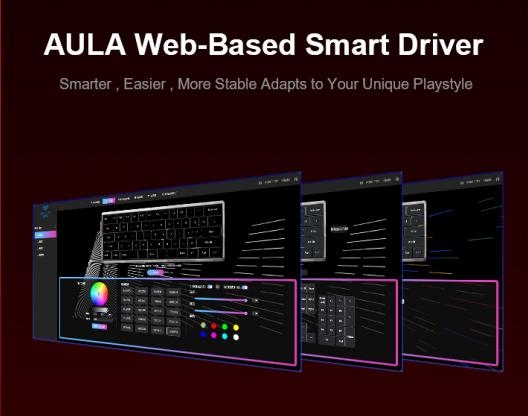
• Software customization
are no longer viewed as premium extras.They are becoming expected features in modern custom gaming keyboards.
Gaming peripherals are no longer hidden accessories.
They have become part of a user's desk identity.
Across social platforms, users are increasingly sharing:
• Desk setups
• Keyboard builds
• Cable management
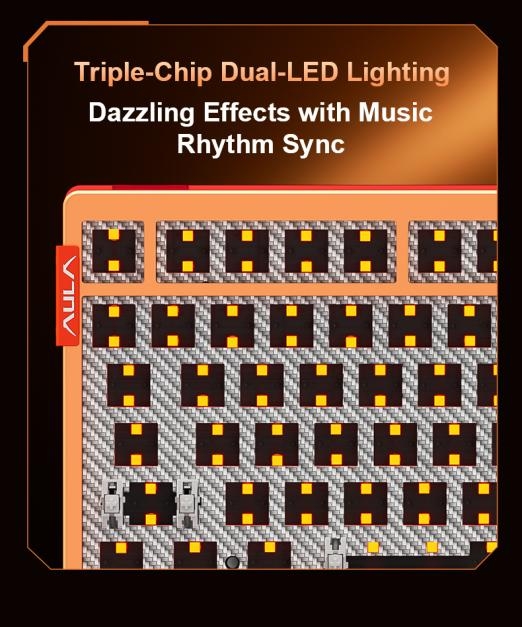
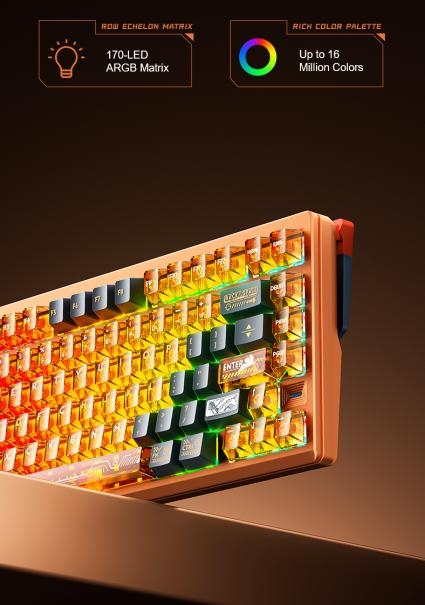
• Lighting themes
• Matching peripherals
Design, materials, and visual details now influence purchasing decisions as much as technical specifications in the gaming keyboard market.
Community feedback consistently points toward the same conclusion:
The future belongs to products that successfully combine:
✓ Competitive Performance
✓ Magnetic Switch Innovation
✓ Premium Typing Feel
✓ Customization Freedom
✓ Thoughtful Design
At AULA, these insights continue to shape the way we develop new AULA gaming keyboard products. Because great gaming keyboards aren't defined by a single specification. They're defined by the complete experience they create every time a player sits down at their desk.
The conversation surrounding gaming keyboards has changed.
Players want speed.
They want precision.
But they also want comfort, sound, aesthetics, and versatility.
As the gaming peripheral industry continues to evolve, understanding these community-driven trends will be just as important as developing new technologies.
And that's exactly where the next generation of AULA products is headed.